
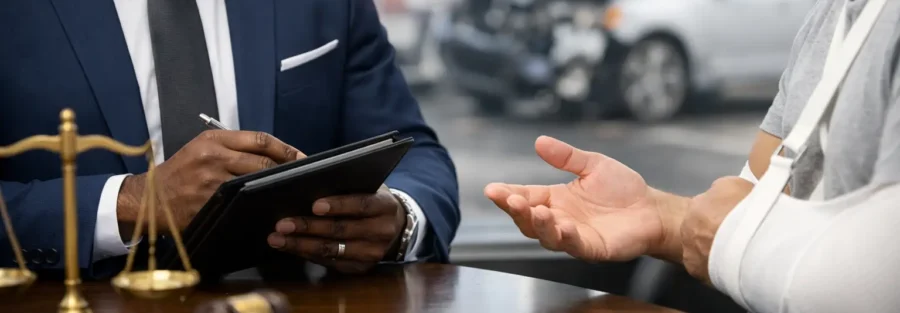
The insurance adjuster may sound helpful on the phone. They may ask how you are feeling, offer to “take care of things,” and request a recorded statement before you have even seen the full extent of your injuries. That is often the moment people start asking: when should I hire a lawyer after an accident? The honest answer is usually sooner than you think, especially when someone else’s carelessness turned your life upside down.
You do not need to wait until a claim becomes a disaster to get legal guidance. A personal injury lawyer can protect evidence, handle insurance pressure, and put a real value on losses that are easy to overlook in the first chaotic weeks after an injury. The goal is not to make your life more complicated. It is to take the heavy lifting off your shoulders while you focus on getting better.
When Should I Hire a Lawyer? Watch for These Signs
A lawyer may not be necessary after every minor fender bender. If no one is hurt, fault is clear, and the property damage claim is handled fairly, you may be able to resolve it directly with the insurer. But an injury claim is different. Once medical care, missed work, long-term pain, or disputed facts enter the picture, the insurance company has a financial reason to limit what it pays.
You should strongly consider speaking with a lawyer if your accident involved an injury that required emergency care, follow-up treatment, physical therapy, surgery, medication, or time away from work. The same is true if pain appears days later. Adrenaline can hide injuries after a car crash, fall, or dog attack. What felt like soreness at the scene can become a serious neck, back, shoulder, knee, or head injury once the shock wears off.
Legal help also makes sense when fault is disputed. The other driver may blame you. A store may claim it did not know about a dangerous spill. A dog owner may deny that their animal bit you or argue that you provoked it. When the other side starts rewriting what happened, evidence matters. Surveillance footage can disappear, vehicles can be repaired, witnesses can become difficult to find, and accident scenes can change quickly.
Insurance Companies Move Fast for a Reason
Big Insurance is not calling because it wants to make sure you receive every dollar your injury has cost you. Adjusters work for the insurance company, not for you. Their job is to close claims efficiently and control what the company pays.
An early settlement offer may feel like relief when bills are arriving and you cannot work. But accepting it can end your claim for good. If you later learn that you need more treatment, cannot return to your old job, or are dealing with lasting pain, you generally cannot go back and ask for more money.
This is why timing matters. A lawyer can review the offer before you sign away your rights and assess whether it accounts for the full picture. That can include medical expenses, lost wages, reduced earning ability, pain and suffering, scarring, emotional harm, and other losses tied to the injury. Every case is different, and no honest lawyer should promise a specific result. But you deserve to know what you may be giving up before you agree to a quick check.
You should also be careful about recorded statements. Insurers often ask questions in ways that invite incomplete or misleading answers. You may be in pain, medicated, or simply unsure what happened in the seconds before a collision. A casual statement such as “I’m fine” can later be used to argue that your injuries were not serious. You have enough to manage without being boxed into words that do not tell your whole story.
Certain Accidents Need Early Legal Attention
Some situations create more risk from the beginning. Getting a lawyer involved early can make a meaningful difference in building the claim.
Car crashes with serious injuries or unclear fault
Michigan auto accident claims can involve multiple insurance policies, medical coverage questions, no-fault benefits, and disputes over who caused the crash. The situation becomes even more complicated when a commercial vehicle, rideshare driver, uninsured motorist, pedestrian, cyclist, or multiple vehicles are involved.
Do not assume the police report settles everything. A report can be useful, but it is not always complete or accurate. Your lawyer can investigate beyond the report, including photos, vehicle damage, witness accounts, video evidence, and the other driver’s conduct.
Slip-and-fall injuries on someone else’s property
A fall can cause devastating injuries, particularly fractures, brain injuries, spinal damage, and severe joint injuries. Property owners and their insurers may argue that the hazard was open and obvious, that they had no notice of it, or that you should have avoided it.
The condition of the property may be cleaned up or repaired immediately after your fall. Pictures, witness information, incident reports, and available camera footage can be critical. Waiting too long can give the other side an advantage they have not earned.
Dog bites and animal attacks
Dog bites are not “just a bite.” They can leave scars, nerve damage, infections, trauma, and a lasting fear that affects a person’s daily life. Children are especially vulnerable, but adults can suffer serious physical and emotional harm as well.
An insurance company may minimize the attack or try to frame it as a minor incident. A lawyer can document the injury, identify available insurance coverage, and pursue accountability while you focus on medical care and recovery.
What a Personal Injury Lawyer Actually Does
Hiring a lawyer is not simply handing over paperwork. It means putting someone between you and the pressure coming from insurers, defense lawyers, and people who may not take your injury seriously.
A strong personal injury team starts by listening to what happened and learning how the injury has affected your life. Then it gets to work preserving evidence, reviewing reports, identifying witnesses, gathering medical records, and documenting the losses that do not fit neatly into a billing statement.
That work matters because the value of an injury claim is not limited to the ambulance bill or the repair estimate. Maybe you cannot pick up your child without pain. Maybe you missed shifts and are falling behind on rent. Maybe you are losing sleep, dealing with anxiety, or facing a future that looks different than it did before the accident. Those are not side issues. They are part of your story, and they deserve to be taken seriously.
Your lawyer also manages communication with the insurance company. That means you are not left guessing whether you should answer a call, sign a release, or accept an offer. If a fair resolution is possible, your lawyer can negotiate from a position built on evidence. If the insurer refuses to deal fairly, your lawyer should be prepared to take the fight further.
Do Not Wait for Your Case to Feel “Serious Enough”
Many injured people hesitate because they do not want to make a big deal out of the accident. Others worry that hiring a lawyer will be expensive or confrontational. But asking questions does not commit you to filing a lawsuit, and it does not make you difficult. It means you are protecting yourself.
The earlier you get advice, the more options you usually have. Deadlines can apply to personal injury claims, and waiting can make it harder to find evidence or connect your symptoms to the accident. At the same time, you do not need to have every medical answer before calling. A good lawyer can help you understand the next step based on where things stand today.
At Call Camper, injured people can get a free case evaluation and pay no upfront attorney fees. The firm is paid only when it successfully resolves a case. That structure gives people a chance to get answers without adding another bill to an already stressful situation.
What to Do Before You Speak With a Lawyer
If you can do so safely, save the information connected to the accident. Keep photographs of the scene, vehicle damage, injuries, unsafe property condition, or dog attack injuries. Hold onto medical paperwork, prescription receipts, repair estimates, wage information, and correspondence from insurers. Write down what you remember while it is fresh, including who was there and what was said.
Do not post details about the accident or your recovery on social media. Insurers can look for posts, photos, or comments they can twist into an argument that you are less injured than you claim. A single smiling photo does not prove you are not hurting, but it may still be used against you.
Most of all, follow through with medical care. Gaps in treatment can harm both your recovery and your claim because insurers may argue that you were not truly injured or that something else caused your symptoms. If a provider’s plan is not working, communicate that and seek appropriate follow-up care.
You do not have to let an insurance company decide what your pain, your time, or your future is worth. If an accident has left you injured, uncertain, or pressured to settle, getting clear legal advice can be one of the strongest steps you take for yourself and your family.