A crash can scatter the proof of what happened as quickly as it scatters glass across the road. To protect evidence after crash injuries, start before the vehicles are moved, repaired, towed away, or picked apart by an insurance company. You may be hurt, shaken, and focused on getting home. That is understandable. But the details that seem small on day one can become the difference between a real investigation and an insurer’s version of events.
You do not have to build a legal case from the shoulder of I-94. Your first job is to get safe and get medical care. Still, if you can do so safely, a few deliberate actions can preserve the facts while they are fresh.
Protect Evidence After a Crash Without Putting Yourself at Risk
Never stay in a dangerous lane, argue with the other driver, or delay emergency care to take pictures. Call 911 when there are injuries, significant damage, blocked traffic, suspected intoxication, or a hit-and-run. Follow first responders’ directions.
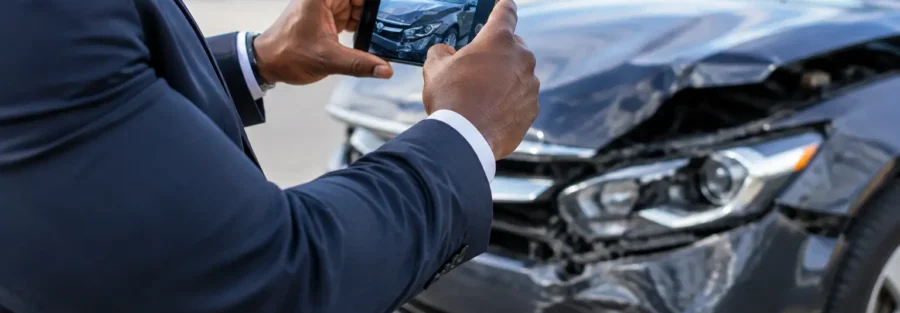
If the scene is safe and you are physically able, use your phone to document what cannot be recreated later. Take wide shots showing the whole intersection, roadway, traffic lights, lane markings, weather, and the final positions of the vehicles. Then take closer photos of impact points, debris, skid marks, broken parts, airbags, visible injuries, and any relevant signs or construction zones.
A short video can be especially useful. Walk slowly around the vehicles and narrate the date, time, location, direction each vehicle was traveling, and anything you notice. Do not speculate about fault. Stick to what you can see.
Before leaving, try to collect the following information:
- The other driver’s name, contact information, license plate, insurance details, and vehicle description.
- Names and phone numbers for witnesses, including people who stopped briefly and may disappear before police arrive.
- The responding agency and report number, if an officer creates a report.
- The names of nearby businesses, homes, or public buildings that may have exterior security cameras.
- Photos of your own clothing, shoes, helmet, car seat, bicycle, or other damaged property before it is cleaned, repaired, or discarded.
A police report matters, but it is not the entire case. Officers often arrive after the impact, rely on limited information, and may not capture every witness statement or camera location. Preserve what you can yourself rather than assuming the report will do it all.
Evidence Does Not Wait for You to Feel Better
Many injured people do not understand the full extent of their pain until hours or days after a collision. Adrenaline can hide neck, back, head, and soft-tissue injuries. That is why prompt medical care protects both your health and the record of your harm.
Tell the medical team what hurts, how the crash happened, and whether symptoms change over time. Do not minimize pain because you do not want to make a fuss. If you develop headaches, dizziness, numbness, sleep problems, anxiety, or worsening pain after you leave the scene, seek care and report those symptoms clearly.
Keep discharge paperwork, prescriptions, referrals, bills, work restrictions, and appointment records. Take dated photos of visible bruising, swelling, cuts, mobility aids, and healing progress. A simple private journal can also help document how injuries affect sleep, driving, work, childcare, household tasks, and the activities that made up your normal life.
This is not about exaggerating anything. It is about making sure your real experience does not get reduced to a few lines in an insurance file.
Preserve the Vehicle and Its Data
Do not rush to repair, sell, junk, or authorize the destruction of your vehicle. The damage pattern can show the angle and force of impact. In some crashes, the vehicle’s event data recorder may contain information such as speed, braking, steering, seat belt use, or airbag deployment in the moments before impact.
That data is not available in every vehicle and may not answer every question. It can also be overwritten, lost during repairs, or become harder to access once a vehicle is declared a total loss. If fault is disputed or injuries are serious, tell the towing company, repair shop, and insurer in writing that the vehicle should be preserved until it can be inspected.
The same rule applies to other physical evidence. Save damaged personal property, torn clothing, a cracked helmet, broken glasses, or a child safety seat. Do not wash bloodstained items or throw away parts because they look ruined. Take photos and store them in a safe place.
Find Video Before It Is Deleted
Camera footage can be powerful, and it can disappear fast. Nearby stores, gas stations, apartment buildings, buses, doorbell cameras, and traffic cameras may have captured the crash or the seconds leading up to it. Many systems automatically record over footage within days or weeks.
Make a written list of every camera you noticed near the crash site. Note its address, direction, and whether it might show the intersection, driveway, or route of travel. You can politely ask a business to preserve footage, but do not be surprised if it will not release video directly to you. A personal injury lawyer can send formal preservation requests and investigate more aggressively before the evidence is gone.
Dash camera footage deserves the same urgency. Save the original file, not only a clip sent by text. Back it up in more than one place and avoid editing it. If another driver, witness, or rideshare vehicle may have video, write down that fact immediately.
Save Digital Details Carefully
Your phone can hold useful evidence beyond photos. Preserve call logs, messages arranging travel, location history, and time-stamped notes made after the crash. Screenshot conversations with the other driver, but keep the original messages too. If they apologize, admit they were distracted, or change their story, do not argue. Save it and let the facts speak.
Be cautious on social media. Insurance companies look for material they can twist into an argument that you were not hurt or that the collision was not serious. A smiling photo at a family event does not erase pain, but it may be used out of context. Do not post crash details, accept unfamiliar friend requests, or discuss your claim in public comments.
Do Not Hand Big Insurance the First Draft of Your Story
Insurance adjusters may call quickly, sometimes while you are still trying to understand what happened. Their job is to protect the insurance company’s money. They may sound friendly, but a fast settlement offer or recorded statement can be designed to lock you into incomplete facts before you know the extent of your injuries.
You can provide basic identifying information and report that a crash occurred. But be careful about guessing speeds, describing fault, giving broad medical authorizations, or agreeing to a recorded statement without legal advice. Do not sign a release just because an insurer says it is routine. A release can authorize access to years of unrelated medical records or end your claim for far less than it is worth.
If an adjuster asks for photographs of the vehicle, preserve your own copies first. If the insurer takes possession of a total-loss vehicle, make your preservation request in writing and keep a copy. Timing matters here. Once the evidence is repaired, scrapped, or erased, even a strong case becomes harder to prove.
When a Lawyer Can Step In
Not every fender bender needs a legal fight. But you should consider speaking with an attorney when injuries are significant, fault is disputed, a commercial vehicle is involved, a driver fled, a loved one was seriously hurt, or an insurer is pushing for a quick answer.
A thorough legal team can move quickly to identify witnesses, request video, inspect vehicles, preserve electronic data, gather records, and handle the insurance pressure while you focus on treatment. At Call Camper, that work starts with listening to what the crash changed in your life, not treating you like a claim number. There are no upfront attorney fees, and you should not have to take on a powerful insurer alone while you are injured.
The strongest evidence is often the evidence protected early. Get safe, get care, save what you can, and ask for help before the trail goes cold.