
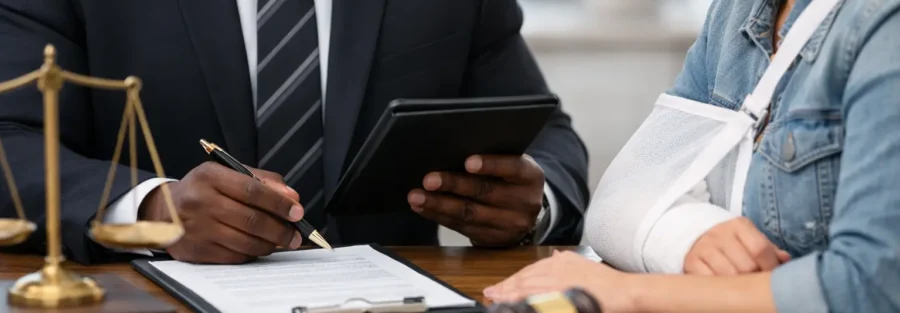
A broken stair, icy entrance, loose handrail, poor lighting, or unmarked spill can change your life in seconds. If you were hurt because a property was unsafe, a dangerous property injury claim may help you seek payment for the harm you are now carrying. But property owners and their insurers rarely make this easy. They may deny the hazard existed, argue you should have seen it, or try to blame you before you have even had a chance to heal.
You do not have to let an insurance company rewrite what happened. The steps you take after an injury can protect your health, preserve critical proof, and put you in a stronger position to demand fair compensation.
When Is a Dangerous Property Injury Claim Possible?
Michigan property owners, landlords, businesses, and managers have responsibilities to keep their premises reasonably safe for people who are legally there. That does not mean every accident automatically creates a claim. A dangerous property injury claim usually turns on whether someone responsible for the property knew, or reasonably should have known, about a hazardous condition and failed to address it or give an adequate warning.
The dangerous condition may be obvious, such as a collapsed walkway or a broken step. It may also be something easy to miss: water tracked into a store entrance, a dim parking lot with uneven pavement, a hidden pothole, or snow and ice that was not properly maintained.
These cases can happen almost anywhere, including apartment buildings, grocery stores, restaurants, office buildings, parking lots, private homes, hotels, and public spaces. The location matters because it helps identify who controlled the property and who may be responsible. A tenant, landlord, maintenance company, business operator, or property owner may each have a role. Sometimes, more than one party does.
The First Hours Matter More Than Most People Realize
After a fall or other property-related injury, your first priority is medical care. Do not try to tough it out because you feel embarrassed or hope the pain will pass. Head injuries, fractures, spinal injuries, and soft-tissue damage can worsen over time. Prompt treatment also creates a record connecting your injuries to the incident.
If you can do so safely, report the incident to the owner, manager, employee, or security office before leaving. Ask that an incident report be completed, but do not accept blame or guess about what caused your fall. Keep your explanation simple and factual: where you were, what happened, and what condition caused the injury.
Photos and video can be powerful evidence. Capture the hazard from several angles, the surrounding area, lighting conditions, warning signs or the lack of them, and your visible injuries. If snow, rain, or a spill is involved, document it before conditions change. A wet floor can be cleaned in minutes. Ice can melt by afternoon. Once that evidence is gone, an insurer may argue there was never a hazard at all.
Get the names and contact information of witnesses. A neutral witness who saw the condition before you were hurt can make a major difference when the property owner denies responsibility.
Evidence Is What Keeps Insurers From Controlling the Story
Insurance companies are not in the business of taking your word for it. Their adjusters look for gaps they can use to reduce or deny your claim. They may say the hazard appeared only moments before your accident, that the property was inspected, or that you were distracted.
That is why a strong case is built on more than an injury report. It may involve surveillance footage, maintenance logs, cleaning schedules, inspection records, prior complaints, photographs, witness statements, and records showing who owned or controlled the property. In some cases, an attorney may need to move quickly to demand that video footage and other records be preserved before they disappear.
Your medical records matter just as much. Follow your treatment plan, attend appointments, and tell your providers honestly about every symptom and limitation. Pain that prevents you from sleeping, driving, lifting your child, standing at work, or completing daily tasks belongs in your medical record. If it is not documented, the insurance company may later pretend it did not happen.
Do Not Give a Quick Statement to the Insurance Company
A claims adjuster may sound friendly when they call. They may ask for a recorded statement, broad medical authorization, or a quick settlement agreement. That does not mean their interests align with yours.
A recorded statement can be picked apart. A broad authorization can give the insurer access to unrelated medical history. A quick settlement may cover an emergency room bill while leaving you with future treatment, missed wages, and lasting pain that was not yet clear.
You are allowed to say that you are still receiving care and do not want to provide a recorded statement. You are also allowed to have a lawyer handle those conversations. That is often the point when the pressure begins to ease. Instead of fielding calls while you are injured, you can focus on recovery while someone else does the heavy lifting.
What Compensation Can Cover
The value of a property injury case depends on the facts. The seriousness of your injuries, the strength of the evidence, available insurance coverage, whether you missed work, and how the injury changed your daily life all matter.
Compensation may include medical expenses, future care needs, lost income, reduced ability to earn a living, physical pain, emotional distress, and the loss of normal activities. A person with a fractured ankle who cannot return to a job requiring standing faces different losses than someone with a brief, minor injury. Both deserve to be heard, but every claim must be evaluated on its own proof.
There can also be disputes about fault. Michigan law may reduce recovery if an injured person is found partly responsible. That is exactly why the details matter. Being aware of your surroundings is not the same thing as being responsible for a business or property owner’s failure to fix a known danger.
How a Property Injury Lawyer Can Help
A dangerous property injury claim can become complicated fast, especially when a large business, commercial insurer, or property management company is involved. Their teams know how to protect their side early. You deserve someone protecting yours.
A personal injury attorney can investigate the property condition, identify the right responsible parties, preserve evidence, organize medical documentation, calculate the full scope of your losses, and deal directly with insurance adjusters. If the insurer refuses to make a fair offer, your lawyer should be ready to build the case for litigation rather than letting the company bully you into accepting less.
At Call Camper, the process begins with a free case evaluation. You can explain what happened, ask questions without pressure, and learn whether there may be a path forward. There are no upfront attorney fees, and fees are only owed if the case is successfully resolved.
Give Yourself Room to Recover and Fight Back
Do not assume a property owner will do the right thing simply because you were hurt on their premises. Preserve what you can, get medical care, keep records, and be careful about what you say to an insurance company. The sooner the facts are protected, the harder they are to deny.
You did not ask for an unsafe property to derail your work, health, and family life. A clear legal plan can give you back some control – and make sure your injury is treated as a real human loss, not just another claim number.